Afghanistan’s women and children are dealing with what many experts refer to as the world’s most serious women’s rights crisis, over four years after the Taliban retook power in August 2021.
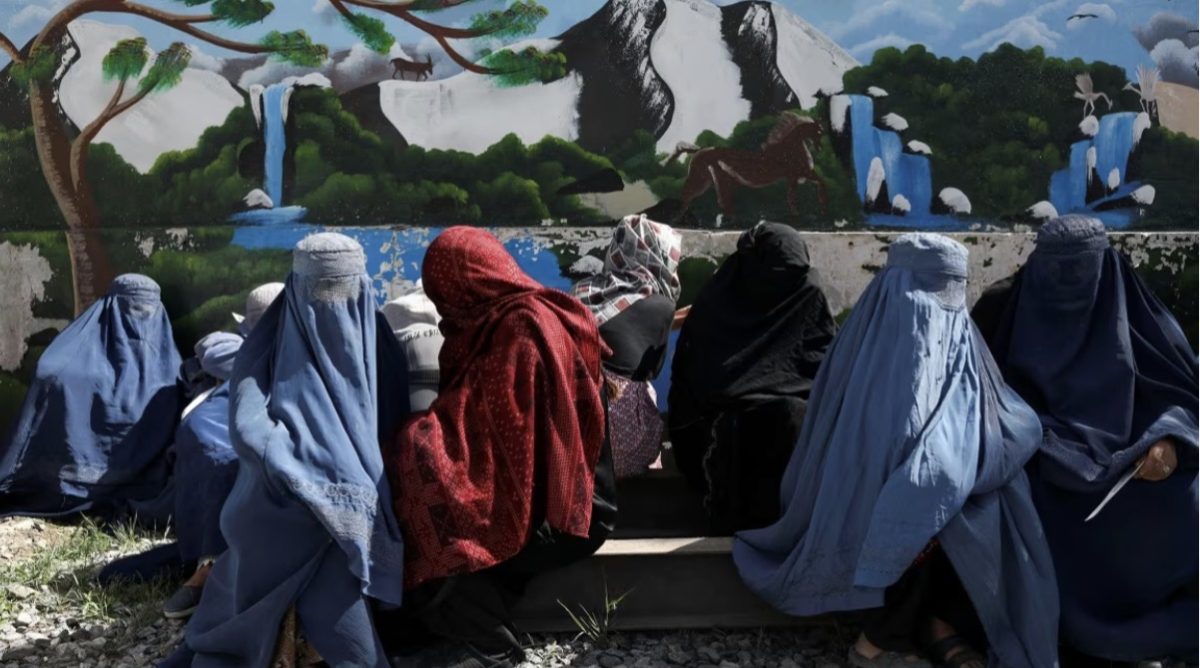
UN Women, the United Nation’s lead entity on gender equality, claims that since the takeover scores of directives have been implemented that have denied women their rights to work, education, mobility, and civic participation. Women are being excluded from major parts of society and many feel they are on the verge of completely vanishing from the public eye with each new regulation. The crisis affects an estimated 21 million women and girls.
One of the most immediate impacts has been on education. Women have been prohibited from attending universities, and girls around the age of 13 are no longer permitted to attend secondary school. Because of this, almost 80% of Afghan women between the ages of 18 and 29 are not enrolled in school, working, or receiving training. With little chances to create autonomous futures, a generation is being left behind.
The workforce is also subject to the constraints. Afghanistan currently has one of the biggest gender disparities in the workforce worldwide. Compared to nearly 90% of men, only one in four women are employed or looking for work. The decline is not accidental, as women have been banned from jobs in civil service, national and international non-governmental organizations and even beauty salons, sectors that once offered vital sources of income. Many women who were once professionals are now confined to their homes.
Health outcomes are also worsening. Projections suggest that by the end of 2026, bans on education could lead to a 25 percent increase in child marriage and a 45 percent rise in adolescent childbearing. Maternal mortality is expected to increase by at least 50 percent. Simultaneously, a growing number of women report feeling more anxious, depressed, and hopeless, which analysts see as a growing mental health crisis.
Women have also disappeared from political autonomy. The majority of local leadership roles in Afghanistan are held by men, as is the case with the present cabinet. Because of their deliberate exclusion from politics, women no longer have any say in the laws that directly affect their lives.
Additionally, daily life has grown more constrained. Women are prohibited from public spaces such as parks, gyms and sports clubs. More than 3,300 men have been designated to enforce a sweeping set of rules under the “morality law” introduced in August 2024. These rules include requirements that women not speak in public. According to surveys, communities and families are implementing these restrictions more frequently, which has led to what many refer to as an environment of fear.
Many women say they still don’t feel safe in Afghanistan, despite the end of the active combat. Strict regulations and enforcement procedures continue to raise security concerns. According to reports, support networks have been smaller while gender based violence has gotten worse. Legal safeguards that formerly addressed violence against women have been eliminated, and the Ministry of Women’s Affairs has been disbanded.
The problem is made worse by humanitarian pressures. Extreme poverty, the effects of violence, and natural disasters are all issues in Afghanistan. This year alone, more than 1.7 million Afghans have returned from Iran and Pakistan, many of them under coercion. Women and girls, who are more prone to face poverty, early marriage, violence, and exploitation, make up a significant percentage of these returnees.
Women led organizations are under more stress as a result of aid cuts. As of March 2025, about 40% of the groups surveyed said that all donor dependent projects were on hold. In the past, these groups were crucial in providing services, recording abuses, and assisting local women.
According to the United Nations Assistance Mission in Afghanistan, women without a male relative continue to face barriers to work, education, and service access. Additionally, it has observed diminishing civic space and public sanctions. These conclusions are rejected by Taliban authorities. According to spokeswoman Zabihullah Mujahid, Afghan customs and Islamic law uphold the rights and dignity of women.
International legal action has followed. The International Criminal Court issued arrest warrants for Chief Justice Abdul Hakim Haqqani and Taliban leader Haibatullah Akhundzada in January on counts of gender-based persecution, which is a crime against humanity. The Taliban rejected the ruling.
The Convention on the Political Rights of Women and the Convention on the Elimination of All Forms of Discrimination Against Women are two examples of the conventions that the UN has ratified for decades with the goal of defending women’s rights. Even though these agreements establish international norms, they are still challenging to implement in areas afflicted by violence.
Afghan women still manage enterprises, encourage one another, report abuses, and offer assistance in spite of tremendous obstacles. Their determination highlights a fundamental fact, many people refuse to go away even as regulations get more strict.