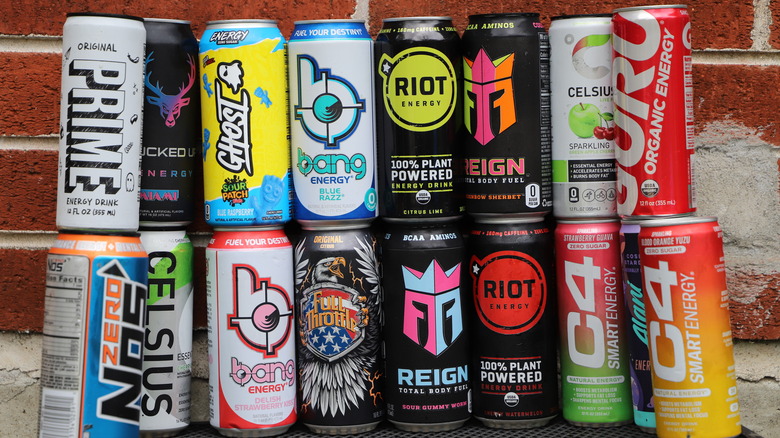
For many students, energy drinks have become part of their daily routine – whether for studying, working out, or simply because they enjoy the taste. But as their popularity increases, concerns are growing about how much caffeine teenagers are consuming and what it could mean for their health.
Many teens today see energy drinks as a simple solution for staying awake and focused during long school days, sport practices, or busy schedules. Studies actually suggest that 30-50% of teens currently drink energy drinks. With how widely available they are and how extremely they are marketed, it can be easy for students to turn to them for a quick boost.
The recommended amount of caffeine for teenagers is about 100 milligrams per day, yet many popular energy drinks contain more than double that in a single can. Leading brands like AlanI Nu and Celsius have 200 milligrams of caffeine per serving. That’s equivalent to about two cups of coffee.
Consuming that much caffeine daily can have serious effects, especially on teens. Over time, problems can start to occur like sleep problems, anxiety, increased heart rate and dependence on caffeine.
A recent case that has brought attention to concerns about youth energy drink consumption involves a 17-year-old Texas cheerleader, Larissa Rodriguez. Her family recently filed a wrongful death lawsuit after her passing.
Rodriguez’ family said she regularly consumed Alani Nu energy drinks, often drinking them before school and during sports activities as part of her daily routine.
According to the lawsuit and a medical examiner report, the only substance found in Rodriguez’ system was caffeine, and her cause of death was linked to cardiomyopathy, or an enlarged heart. The family argues that the drink was marketed toward teens while not clearly emphasizing the risks of high caffeine intake.
While this case happened outside of Nebraska, it shows a broader trend that can also be seen at Westside. Energy drinks are commonly used by students throughout the school day regardless of the potential health impacts.
“I don’t drink them very often now, maybe twice a week,” freshman Amour Easton said. “But I used to have one every day for months on end. This has changed for me now because there have been so many articles and posts of people sharing their personal experiences with what happened to them after all the caffeine intake.”
Easton said energy drinks often felt like a solution during long days filled with sports and schoolwork, especially when she was not getting enough rest.
As extreme caffeine use becomes more common among teenagers, concerns continue to grow about how these habits may affect teens’ overall health.