When a diabetes medication becomes a Hollywood trend, something has gone wrong.
The growing misuse of the popular GLP-1 drug reflects a culture that has become increasingly obsessed with thinness–one where wealth determines your access to medication, and one where appearance is prioritized over well-being.
For decades, society has placed a strong emphasis on thinness as the ideal beauty standard, especially for young women. This has been intensified by celebrity culture and social media expectations by constantly exposing people to edited images and unrealistic standards. Platforms like TikTok and Instagram foster toxic comparison, while influencers profit from promoting unattainable beauty ideals. Therefore in this environment, it is not surprising that medications promising quick weight loss have gained popularity so rapidly.
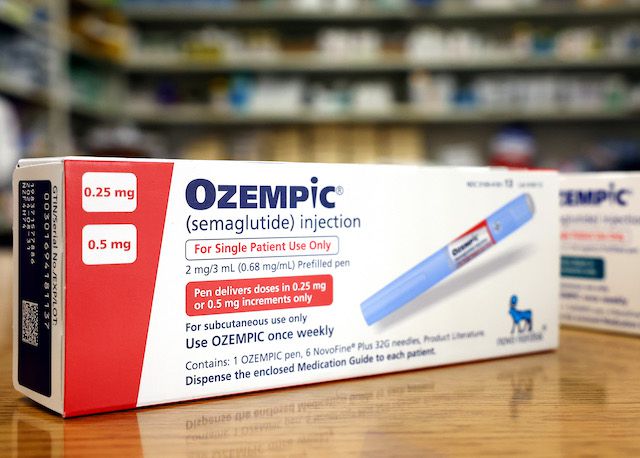
Considering the origin of GLP-1 drugs, this is especially disappointing. Medications like Ozempic and Wegovy genuinely help people with obesity or diabetes. They reduce health risks, improve quality of life, and help people who have struggled for years. However, these medications have shifted from a necessary medical prescription to symbols of cultural status. GLP-1s are increasingly being promoted online as shortcuts to achieve this “ideal” body standard. Celebrities and influencers either openly discuss using these drugs or avoid mentioning them entirely, leading many people to assume that the extreme thinness seen in Hollywood is completely natural when, in many cases, it is not. This creates unrealistic expectations and reinforces the idea that thinner automatically means healthier or more attractive, which is not the case.
Health is complex and cannot be measured by a number on the scale or how someone looks. The GLP-1 trend has completely distorted people’s perception of what health truly means. Yet modern culture continues to glorify extreme weight loss while ignoring factors like mental health, nutrition, strength, and sustainability. Young people especially are constantly exposed to unrealistic beauty standards online, where drug-induced weight loss is normalized and even glamorized. Instead of encouraging healthy habits, society increasingly promotes external appearances over all else.
The rise of GLP-1 misuse also exposes the role wealth plays in modern healthcare. These medications are extremely expensive and difficult to access without financial privilege. Wealthy individuals can obtain prescriptions for cosmetic reasons, while some patients with legitimate medical needs struggle to afford the same medications. Access to nutritious food, personal trainers, wellness programs, and now pharmaceutical weight loss is reserved only for those who can afford it.
This does not mean GLP-1s themselves are inherently harmful. For many people, they are life-changing and medically necessary. The problem is not the drug itself, but the culture surrounding it. Society has transformed medication supposedly designed for serious medical treatment into trendy beauty products, reinforcing the dangerous idea that appearance defines health and worth.
Ultimately, GLP-1 medications should remain accessible for those who truly need them medically; they should not become another symbol of status in a culture consumed by unrealistic beauty standards.