When we were younger, our predictions about the future seemed foolish. People talked about flying cars and technology taking over, but it all felt unrealistic. Something like that would never happen in our lifetime. Yet in some ways, that future has already arrived. Introducing self-driving taxis.
We all have heard of “self-driving” cars like Tesla. Although they are capable of navigating the road by themselves they still need someone behind the wheel. Well in the past few years a company called Waymo, a completely self-driving car has taken over the road.
Waymo, originally launched as Google’s Self-Driving Car Project in 2009 and later rebranded in 2016 to become the first company to offer a fully driverless commercial ride hailing service. It started out a few years ago in Phoenix but has expanded to San Francisco and Los Angeles. The company says its mission is to be “the world’s most trusted driver,” making transportation safer and more accessible without anyone in the driver’s seat.
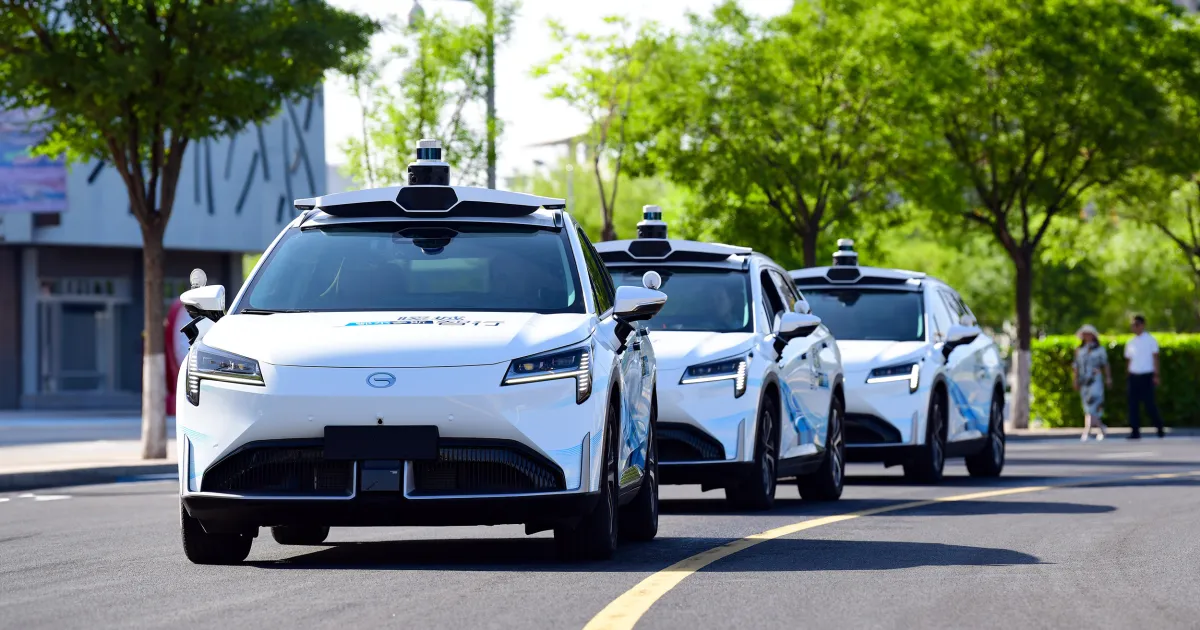
The technology behind these cars is impressive. Waymo vehicles use LiDAR to send out millions of laser pulses and create detailed 3D maps of their surroundings. A 360-degree camera system recognizes traffic lights, signs, and pedestrians, while radar measures speed and distance. Artificial intelligence and machine learning interpret the data, while predicting what others might do, and onboard computers process everything in real time.
With all this technology and precautions it might sound safer than a human driver. But in reality it’s more complicated.
Waymo vehicles have been involved in 1,429 reported crashes between July 2021 and November 2025, resulting in 117 injuries and two fatalities. In January 2026, a driverless Waymo struck a child in Santa Monica, leading to an NHTSA investigation into whether the vehicle showed appropriate caution in a school zone. While many serious crashes involve other human drivers making dangerous decisions such as running red lights or speeding the fact remains that these vehicles are not perfect.
Even if the car isn’t always at fault, it’s unsettling to know that software is making life-or-death decisions on the road.
I saw a Waymo in Los Angeles, and it felt strange watching a car move with no one driving it. People are more at ease when responsibility rests with a person, not a machine. Technology might be able to calculate faster than we can, but it doesn’t think or feel the way people do. And when something unpredictable happens like a child suddenly running into the street can a machine always respond correctly?
Tesla is expanding into the robotaxi market. As of mid 2025, modified Model Y vehicles have begun offering robotaxi rides in Austin, Texas. While some riders describe smooth trips, others report sudden braking or confusion.
Self-driving cars now stand as a powerful example of how far technology has come. The real question is no longer whether we can build them, it’s whether we’re ready to trust them.