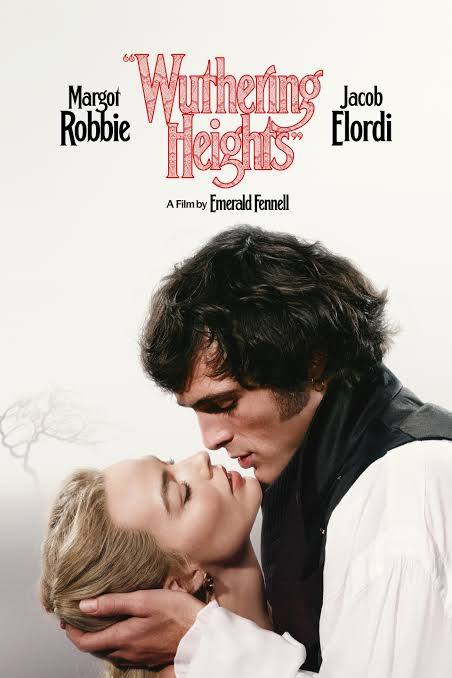
The 2026 “Wuthering Heights” movie adaptation has garnered a lot of attention for both its divergence from the book’s plotline and the interesting main cast choices, especially for Heathcliff. Emerald Fennell, director of “Promising Young Woman” and “Saltburn”, decided to direct a movie adaptation of a book she read at 14 years old and her goal was to replicate the feeling of reading it for the first time– but why is it so controversial?
One of the greatest gripes “Wuthering Heights” fans have pertains to how drastically different the characters were; especially Heathcliff, who is described as a man with dark skin, hair, and eyes. When Jacob Elordi, a white actor, was casted as Heathcliff, it started a hard spiral with a lot of potential implications. The reason it’s this large of an issue is because the plot relied on him being a man of color, so stripping that away changed the entire plot.
Another distortion was Catherine’s character, because Fennell altered both physical and personality attributes drastically. Her physical appearance as described in the book was brown hair and brown eyes, but the actress who played her was blonde and blue-eyed. The more drastic change was how hard Fennell mellowed Catherine out. Originally, she was a spitfire who wasn’t expected to be sophisticated, but in the movie, she is much more melodramatic and blasé.
In addition to a major character switch-up, there had been a polyester, shiny-blue dress involved in a scene that looked less as if it should have been in a late 18th century film but more fitting in a 2010s prom scene. That hasn’t been as popular of a topic, but its inaccuracy peeved a specific crowd nonetheless.
The biggest gripe many who’ve read the book have with the film is the fact it’s been recreated as a dark romance or as if the situation between Cathy and Heathcliff is something desirable. It’s been described in video essays as an adaptation that completely ignores the original plotline— similar to the previous Wuthering Heights adaptations that also romanticize their unhealthy relationship.
Fennell’s adaptation has been compared to infamous author Colleen Hoover’s signature plotlines and style, which surrounds vulnerable women being manipulated by cruel men. The romanticization of Catherine, Heathcliff and their situation has deterred many from appreciating the film, especially when the original book was so drastically different— some short-form content creators have described it as insulting to the classic that the novel is.
Despite the disdain from classic literature enjoyers, there have been some aspects of the film in which many agree are tasteful. For example, the cinematography is done artistically and has set the mood of each scene quite perfectly. For the people who haven’t read the book, but still watched the movie, they have experienced less contempt for the film through the art of building tension.
The best elements of the film seem to lie in their ability to establish a darkened scene and their eye for dramatic shots. Most of the film’s best details came from of a cultivated mood they’d set themselves. The craftsmanship for the film had gone into those eye-catching shots, rather than presenting a quality rendition of the story itself.
While “Wuthering Heights” seemed more like a romanticized, watered-down version of the original it would have been based on. The gripes the viewers have aren’t invalid, especially to the degree that these changes had occurred. Despite the fact that Fennell was trying to “recreate” what she first felt reading Wuthering Heights at 14, there were higher expectations for the film than glorified dark romance that placed the toxic, whitewashed affair between Catherine and Heathcliff. Regardless, not every film a director puts out has to be a masterpiece.