Imagine this: a low income, high school student wants to contribute to their community through a future career in something like health care, social work, or education, but when they go to apply for realistic federal loans, the amount they’re allowed per year and in their lifetime isn’t enough to cover their degree.
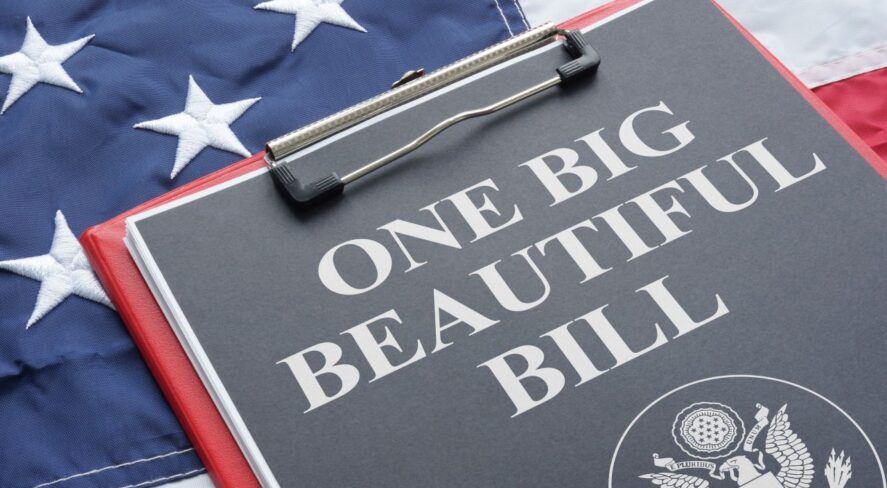
This could very well be the reality of the next generation of college students. Students who are a part of the class of 2026 and beyond and are interested in pursuing college for health professions or social work/sciences could be at jeopardy for finding reasonable rate loans. This is a part of a potential course of action that the Trump Administration is taking with the One Big Beautiful Bill Act.
The Department of Education is changing the list of degrees considered “professional” by their standards. This doesn’t challenge the actual professionalism of these career paths, but instead, it’s a classification system for what degrees have what federal loan limits. Degrees that aren’t considered professional will have harshly lower loan limits. The catch is the degrees they’re classifying as “not professional” typically require these higher limits because the cost of schooling is high. The careers involved include, but are not limited to, nursing, physician’s assistant, physical/occupational/speech therapy, social work, public health, education, architecture, audiology and more.
According to the NASW-FL (National Association of Social Workers’ Florida), people who’ve already taken out loans for schooling or have already gotten their license will not be affected, but those who are taking out federal loans after July 1, 2026 would only be allowed $20,500 a year and $100,000 in a lifetime. Social work covers a wide array of things, from governance to ethics, welfare to DEI (Diversity, Equity, and Inclusion), this is a career path that is meant for public advocation and care. Limiting access to federal loans for this field and other absolutely crucial careers will deter many from pursuing it, furthering an already pivotal shortage.
The reason federal loans being limited is such a big deal is because the private loans many will be forced to resort to have exorbitant interest rates associated with them. This deters those who may not come from loads of money from attempting to enter these career paths which is millions upon millions of people. It affects every population from a nation-wide scale to a neighbor’s ability to provide or receive quality services and education, and those neighbors are various, capable Westside seniors.
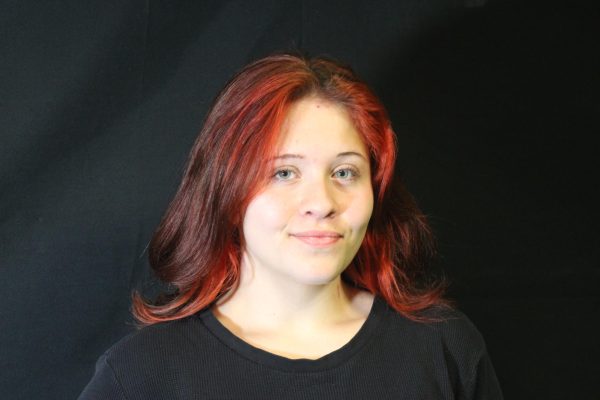
Senior Ja’Mia Williams is a member of a career guidance program called Avenue Scholars, and she currently has her heart set on nursing, specifically labor and delivery. Her primary goal is to attend a four-year college and get a Bachelors of Science in Nursing. As a low income student, this federal change would make it multitudes harder for her to achieve her dreams in this field.
“This decision has left me questioning if I should pursue nursing, but I don’t pick nursing just for the money,” Williams said. “I decided to be a nurse to make an impact in other lives. I think a lot of people in nursing school feel the same way. The journey will most definitely be hard, but it will be very worth it.”
This mentality and drive is exactly what is needed to combat the issues the Department of Education is pushing for. It’s crucial for everyone who’s being challenged by this to remember their purpose, to remember the determination that got them where they are and motivates them to bloom into who they want to be.
The fight isn’t won by just determination though; there’s important logistics that go into it as well. Williams said, “I really had to go out for more scholarships and start budgeting my life better in order to prepare myself for the financial trouble of college.”
How the Department of Education is aiming to make this process harder through lowering access sparks plenty of emotion in the people who are affected by this and know the extent to which this will hurt the public. The strife this could cause is what fuels the need for change.
“My opinion on the department of education wanting to make nursing a “non-professional degree” is that it’s really harmful to many people seeking higher education,” Williams said. “Many people rely on loans from the federal government in order to better themselves in society, and if you take away the opportunity for others, then it’s just harmful.”
It’s important to remember the power that’s in the hands of the people. Just because there are people out there who want to oppress lower-class people and the general public does not mean that the people should cater to the push down. These harder things are what’s worth doing.
Williams is someone to experience this first hand. She’s not going to give up her dream for this decision.
“I want to say to any other people pursuing a degree in nursing to keep your head up,” Williams said. “You are most definitely a professional no matter what others may say. I want you to always chase your dreams no matter the obstacles!”