Practicing in the Heat
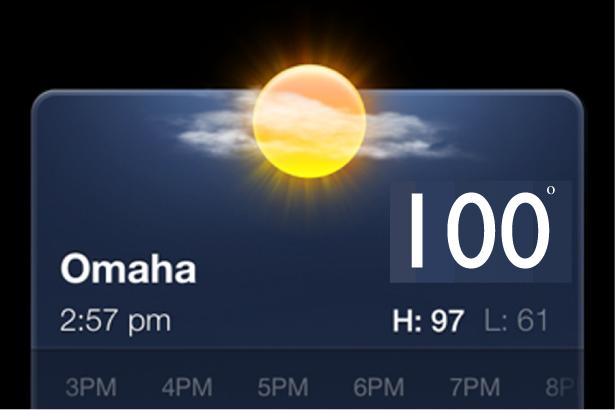
Starting Sunday, the high temperatures for the week have been 97, 97, 99 and 99 degrees in Omaha. Most students have been heading for air conditioning, avoiding the outdoors as much as possible. Westside athletes, on the other hand, have practiced or played through near-record high temperatures and average humidities between 50 and 65 percent.
According to head trainer Shawn Campbell, the combination of heat and humidity can cause problems for athletes.
“The heat, in and of itself, isn’t so much the issue,” Campbell said. “It’s when you add the humidity component that it changes things. If you’re just dealing with straight heat, your body sweats, and it’s that evaporative component that actually cools the body, but when the humidity in the air is at a higher level, that water, that sweat that’s on that athlete’s skin, doesn’t have a chance to evaporate, so it doesn’t give us that cooling aspect that it normally would if it were drier, and so it’s actually that component that adds the challenge to things.”
Campbell has been watching athletes for any signs of heat illness caused by the humidity and heat during practice.
“When they can’t cool themselves off, the body temperature rises, it will start to take an effect in terms of they’ll start to complain of a headache, they’ll start to feel confused, tired, fatigued quicker than usual,” Campbell said. “Their heart rate is up, they can’t catch their breath. Those are all symptoms that we look for and try to mitigate or eliminate if we have that opportunity. Once you kind of recognize those things, we have to pull that athlete out and get them out of their equipment and get them cooled off, get them out of the sun, get them some water and let things kind of recover.”
Even with the weather and risk of heat illness, coaches have not had to cancel practices according to Girls Cross Country head coach Theresa Gosnell.
“No [we haven’t had to cancel practice],” Gosnell said. “The girls have asked me if we could run inside, but we haven’t done that, and we probably won’t because the first day it was hot they did better than they thought, so I think we will continue to run outside.”
To combat the heat, Gosnell and other coaches have changed their plans to help the athletes.
“I definitely have not made them run as far as I had planned originally, so I’ve cut back on the milage,” Gosnell said. “Probably the intensity a little, too. However, they reacted better to the heat than I thought, and we’ve tried to run the shade and there’s been a breeze, so that’s helped. It’s mainly been the distance I’ve cut back on.”
Campbell has also had to adjust because of the weather.
“The heat has modified things mostly in terms of the hydration aspect, and trying to be more proactive with making sure that the kids — they already have ready access to water — but making sure its closer to them so they can hydrate themselves quicker and more efficiently,” Campbell said.
So far, athletes have had little trouble getting through the heat.
“We’ve had a pretty good response and haven’t had to deal too much in terms of the heat and heat illnesses during this stretch of hot weather,” Campbell said. “I can probably think of maybe one [heat illness] earlier this week. We had a kid that was starting to overheat a little bit, but other than that we’ve been really fortunate so far.”
Your donation will support the student journalists of Omaha Westside High School. Your contribution will allow us to purchase equipment and cover our annual website hosting costs.