American Psycho tells the story of a 1980s business man who doubles as a serial killer. The plot involves his struggles and ever-loosening grip on his control. The film is a satirical take on 80s cliches and excess. The film’s introduction is strong— Patrick (the lead) talks about himself while he does a skincare routine. His skin routine goes on to be an interesting way in the film that time progression is shown. At the beginning, Patrick has control over his actions and the way he looks, having a clean face. As he loses control, his face becomes sweaty, and his hair turns greasy. This is first shown in a scene where the men are comparing business cards, and as he comes to realize his card is inferior, he breaks down. However, the film’s flaws come through with the consistency issues. During the aforementioned character introduction scene, Patrick narrates. The narration continues until the business card scene, and then drops off until the ending. This inconsistency is blatant, but at least somewhat redeemable in that it’s tied up. As it stands, American Psycho serves to be an incredible example of satire, but as it stands on its own without prior knowledge of satire, it’s an engaging film with a few flaws.

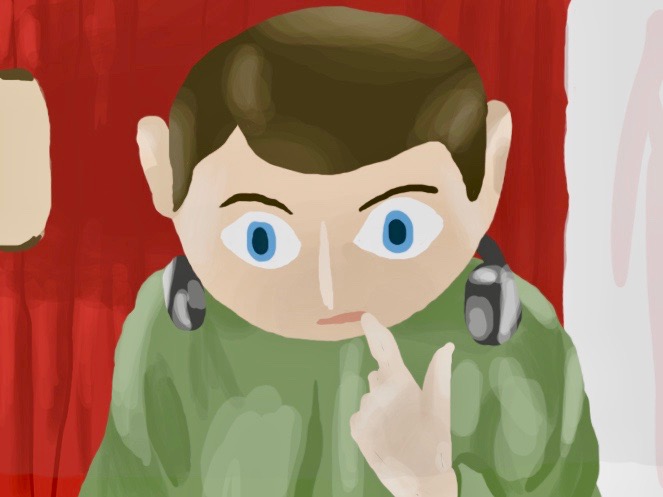
Frank the movie takes a modern twist on the experiences of the 1980s musician Frank Sidebottom (A man who was always found in a paper mache head) in the best possible way. The plot is simple: Frank leads a band that is in need of a new pianist. The main character, Jon (Domhnall Gleeson), is brought into the band. Through this, he runs into issues involving gripes with the band and Frank’s eccentricities. This movie is important in a number of ways, especially in how it brings to light to the issue of romanticization. There’s always been an issue of the public not separating the art from the artist. This problem can lead to the artist never getting the help or support that they need because they’ve been depersonalized to the point of never being taken seriously. The movie deals with this subject in a moving way. Michael Fassbender’s acting as Frank is delightful to watch. It’s impressive how much expression he puts into his acting with the paper mache head. The music in the film captures modern alt-pop while still keeping the spirit of Sidebottom’s original music. The one major things holding this movie back is the main character, Jon, who has to be one of the most unlikable protagonists to be found in a lot of current media. He’s ignorant and rude, acting almost exclusively in ways that benefit himself. Despite this character work, Frank still stands on its own to be incredible and progressive.
SGT. Pepper’s Lonely Hearts Club Band, Rock operas can be done well. The movie Tommy, based on The Who album Tommy, was an enjoyable watch. Sergeant Pepper’s Lonely Hearts Club Band, however, is a horrible example of a rock opera. For one thing, despite being based on a Beatles album, it featured the BeeGees and Peter Frampton as the Lonely Hearts Club Band in question. A lot of the songs aren’t even from the album the movie is named after. Instead, the audience gets a mix of Sergeant Pepper’s and Abbey Road. The plot follows Sergeant Pepper’s Lonely Hearts Club Band being given a record deal. During all this, the antagonist, Mr. Mustard, has stolen instruments. It is then up to the Lonely Hearts Club Band to relocate the instruments. Not only is the plot convoluted, but it’s handled terribly. The way in which songs are integrated into the plot are lazy at best and insulting to the audience at worst. The fact that these classic songs that served to be so important to the music industry as a whole were roped into a project with such bad writing is an insult to the Beatles. That being said, it’s fun to make fun of. When in good company, it’s worth a laugh. It has a nice color scheme and ridiculous outfits that are, in all fairness, true to the era. When it comes down to it, Sergeant Pepper’s is a body of waste that, to those who like to riff, is worth wading through.

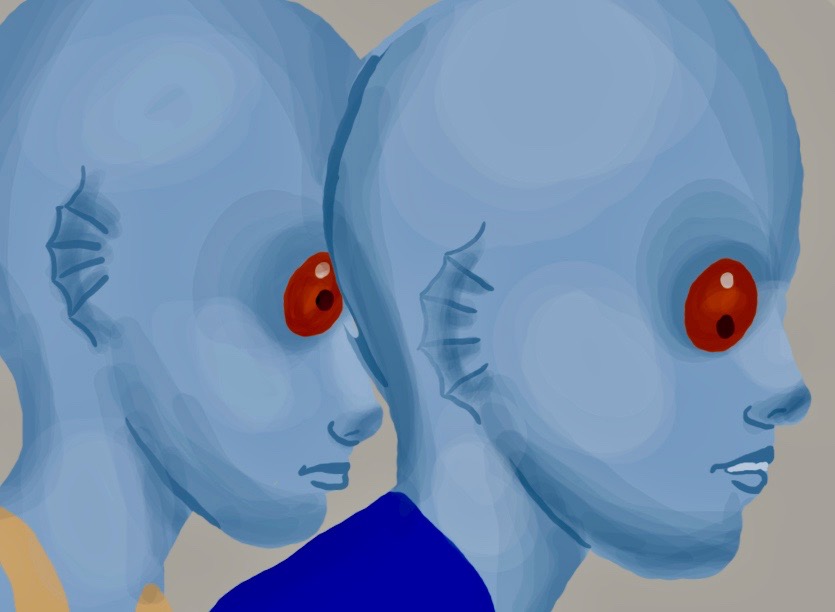
Fantastic Planet is a film which strengths lie in unique animation, plot, and character design. The film details the rivalry between humans and aliens, here known as Oms and Draags. This rivalry is told through the point of view of an Om named Terr, a young man made a pet for a Draag, and who later entered the Om resistane. A great strength of Fantastic Planet is the way in which is establishes society through power struggles, mannerisms, or locations. The power that the Draags have is instantly established in the film’s introduction The audience knows right away that this is the species not to be trifled with. This strength comes through with how the movie delivers exposition, given either through Terr’s narration, or through an educational headset that Tiwa uses. It’s a unique and refreshing delivery. What’s also noteworthy and different is the animation. While unexpected and unsettling at first, the art style is easy to get used to and rather impressive when dwelled upon. The film is at a perfect length for there to be little to no filler. Unfortunately, the flaws come up in the form of subplots dropping off. Like American Psycho, this film has the issue of narration being prevalent in the beginning or first half, but it’s forgotten about by the end. There’s also a romance that goes absolutely nowhere. However, despite its flaws, this film serves to be an enjoyable display of power struggles shown through excellent animation and music.
story and graphics by jane knudsen